
COMPANY NEWS
OBS Global Engages World Impact Media Organization for Media Buying Through Arcana Mace
May 23, 2026
Real-time auctions, live markets, digital banking, global trade, and member communities — OBS connects decision-makers across the world with tools built for serious business.
Keep up to date with what's going on in the OBS universe: every source, one place.
Stories from inside OBS Global — what we're building, why it matters, and where we're going.
View all
OBS Global has entered a partnership with the World Impact Media Organization to deliver supportive editorial coverage for selected OBS members. The placements will be sourced through Arcana Mace — the media buying marketplace ranked No. 1 in the WIMO Annual Review 2026.
Video calls with your team in Singapore. A direct message to a supplier in Lagos. A post that reaches your followers in Dubai and London the same morning. A storefront that sells to all of them — without switching apps. This is what OBS was built to do, and why a single platform now does the work of five.
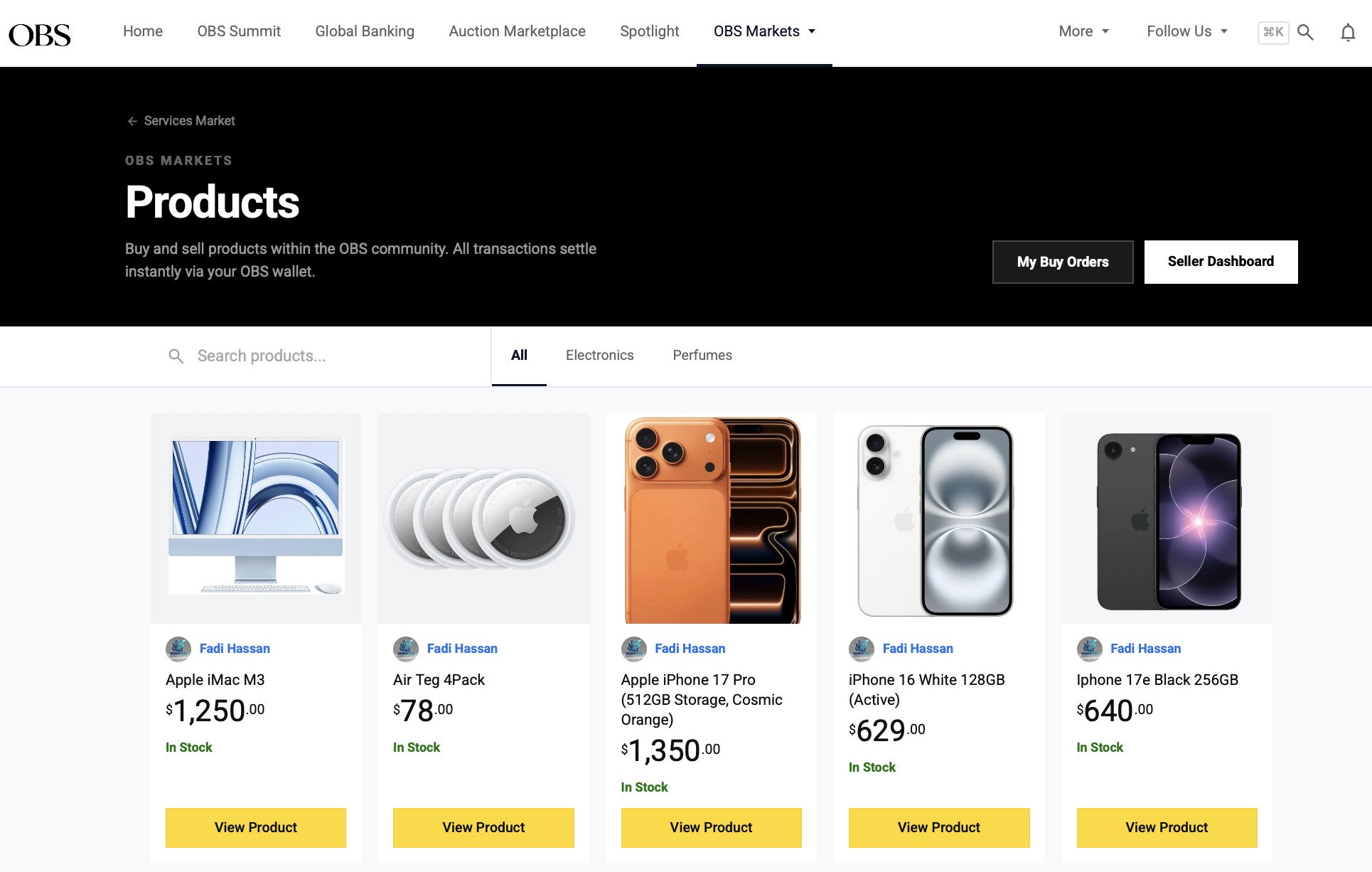
List products, offer services, and run your own online shop on OBS Markets. Every listing reaches the entire OBS community — a global network of business-minded buyers, partners, and members already on the platform.
Coverage, updates, and insights on the world's longest business summit — 100 days in Dubai and worldwide.
View all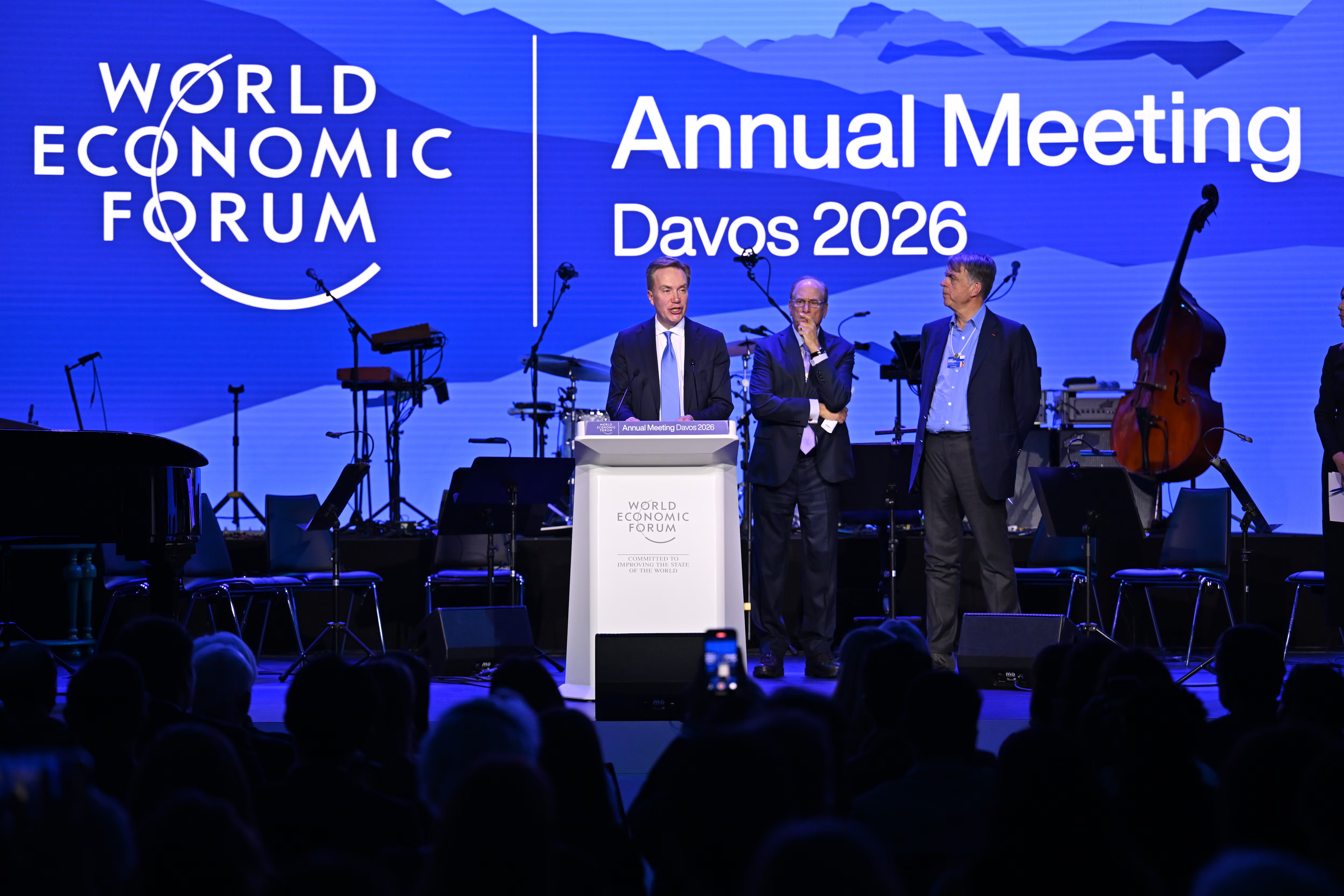
Davos changed how the global elite talked about the world. OBS Summit is built to change how they actually do business in it. Here are five structural differences that explain why OBS Summit is positioning itself as a complement — and an alternative — to the format the World Economic Forum has defined for half a century.

With a confirmed stop in Singapore and growing delegate interest from Japan, South Korea, India, and Southeast Asia, OBS Summit is positioning itself as the most consequential business event to engage the Asia Pacific region in a generation.
From fractured supply chains and rising geopolitical tensions to currency volatility and tightening capital markets, 2026 is testing businesses across every sector. OBS Summit brings together the leaders who are navigating it — and winning.
Deep analysis on global economic trends, market volatility, and the forces reshaping the world's financial landscape.
View all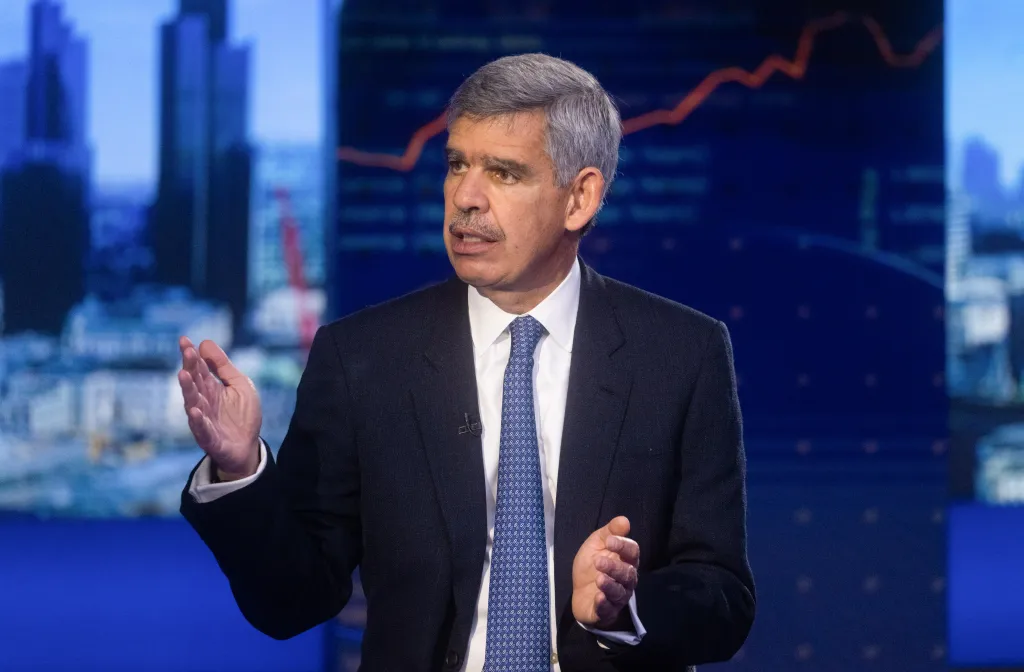
Mohamed El-Erian warns the global economy has four to eight weeks to see the Strait of Hormuz reopened before the math changes from slowdown to recession. With Europe's aviation fuel reserves measured in weeks and panic buying spreading in Asia, the window for diplomacy is closing faster than the markets are pricing in.
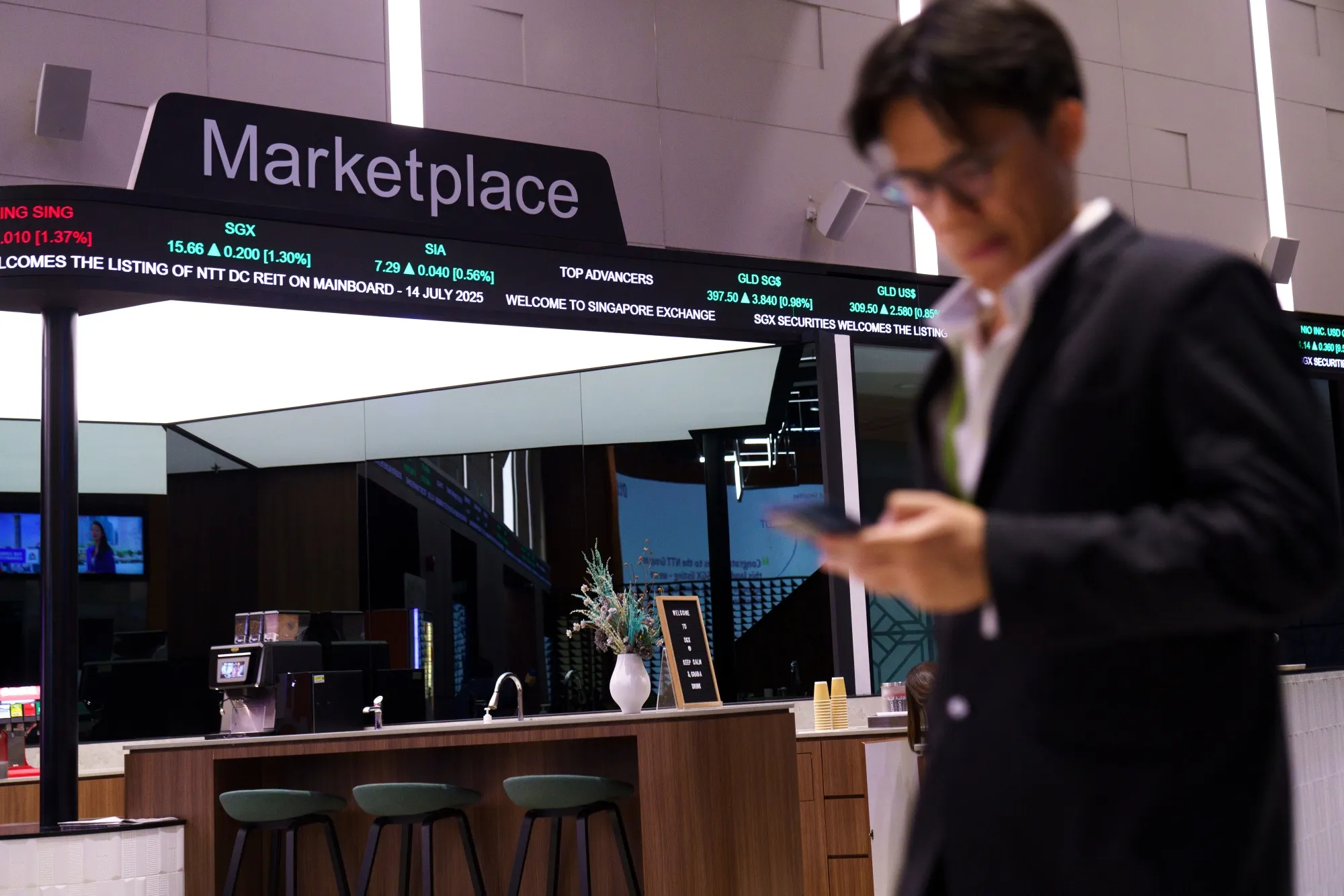
From overvalued equity markets and sovereign debt stress to geopolitical shocks and tightening liquidity, the warning signals are converging. Leading analysts are not asking if a major correction is coming — they are debating when, and how deep.
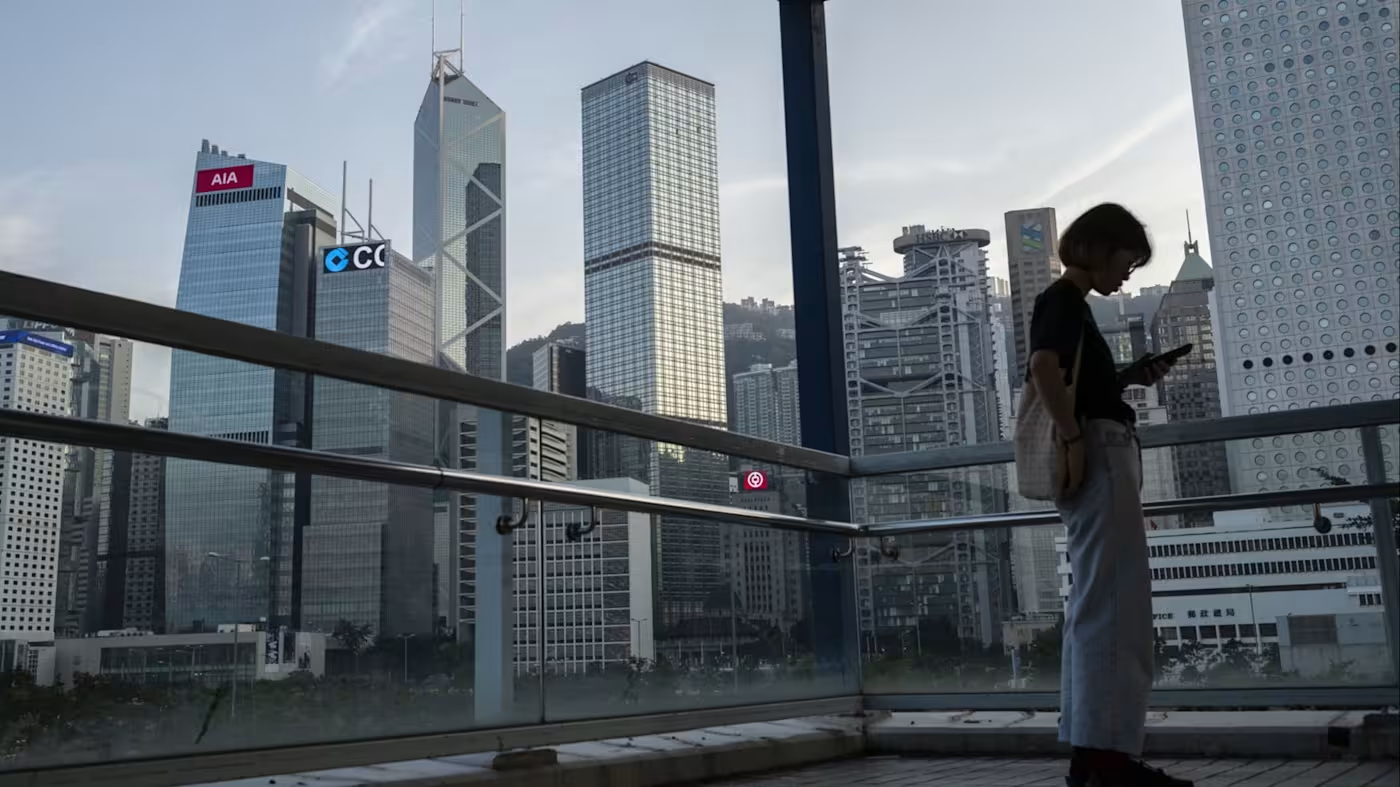
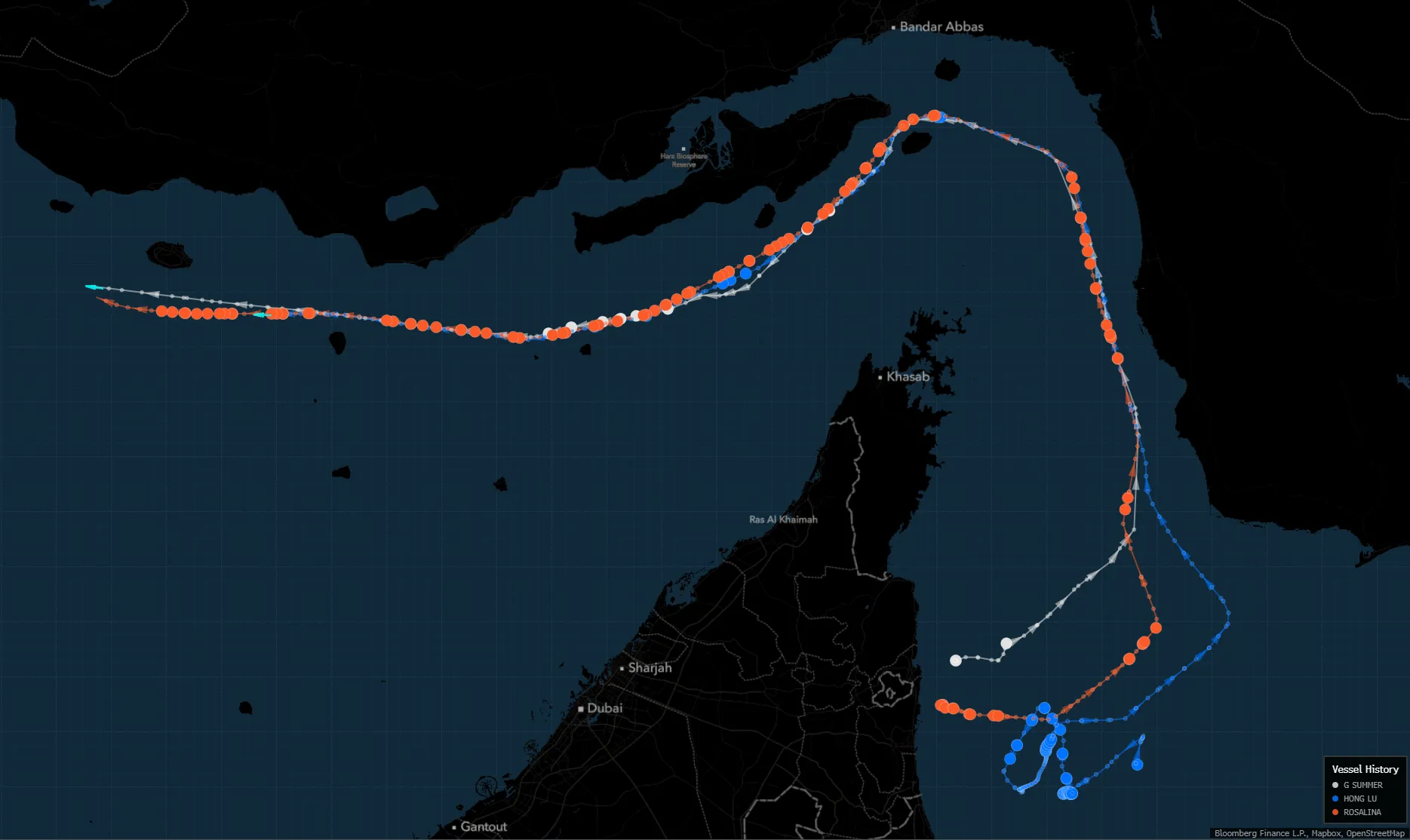
The Strait of Hormuz carries nearly a fifth of the world's oil supply. If it remains closed through Q3, the consequences for energy prices, inflation, and global commodity markets could be more severe than any shock since the 1970s oil embargo.
Share your thoughts, suggestions, or report an issue. We read every message.