


2026 was never going to be a quiet year. But the speed and severity with which risk has compounded across multiple dimensions — geopolitical, macroeconomic, logistical, and technological — has caught even well-prepared businesses off guard. Shipping routes are being rerouted in real time. Currency markets are swinging on policy announcements. Capital is more selective than it has been in a decade. And the geopolitical map that underpinned decades of global trade assumptions has shifted in ways that are still being fully understood.
The question for every business leader, investor, and policymaker right now is not whether the environment is difficult — it clearly is. The question is how the best operators are maintaining growth through it, and what frameworks, strategies, and relationships are making the difference.
This is the central challenge OBS Summit is designed to address.
The compounding risks of 2026
To understand why this year demands a different kind of strategic thinking, it helps to map the concurrent pressures businesses are managing simultaneously:
Geopolitical fracture. The assumption of a rules-based global trading order that held for most of the post-Cold War era is under serious strain. Sanctions regimes, export controls, and the weaponisation of financial infrastructure have forced companies to fundamentally rethink counterparty risk, supply chain geography, and banking relationships. Businesses that once operated comfortably in single-corridor trade flows are now building redundancy into every critical relationship.
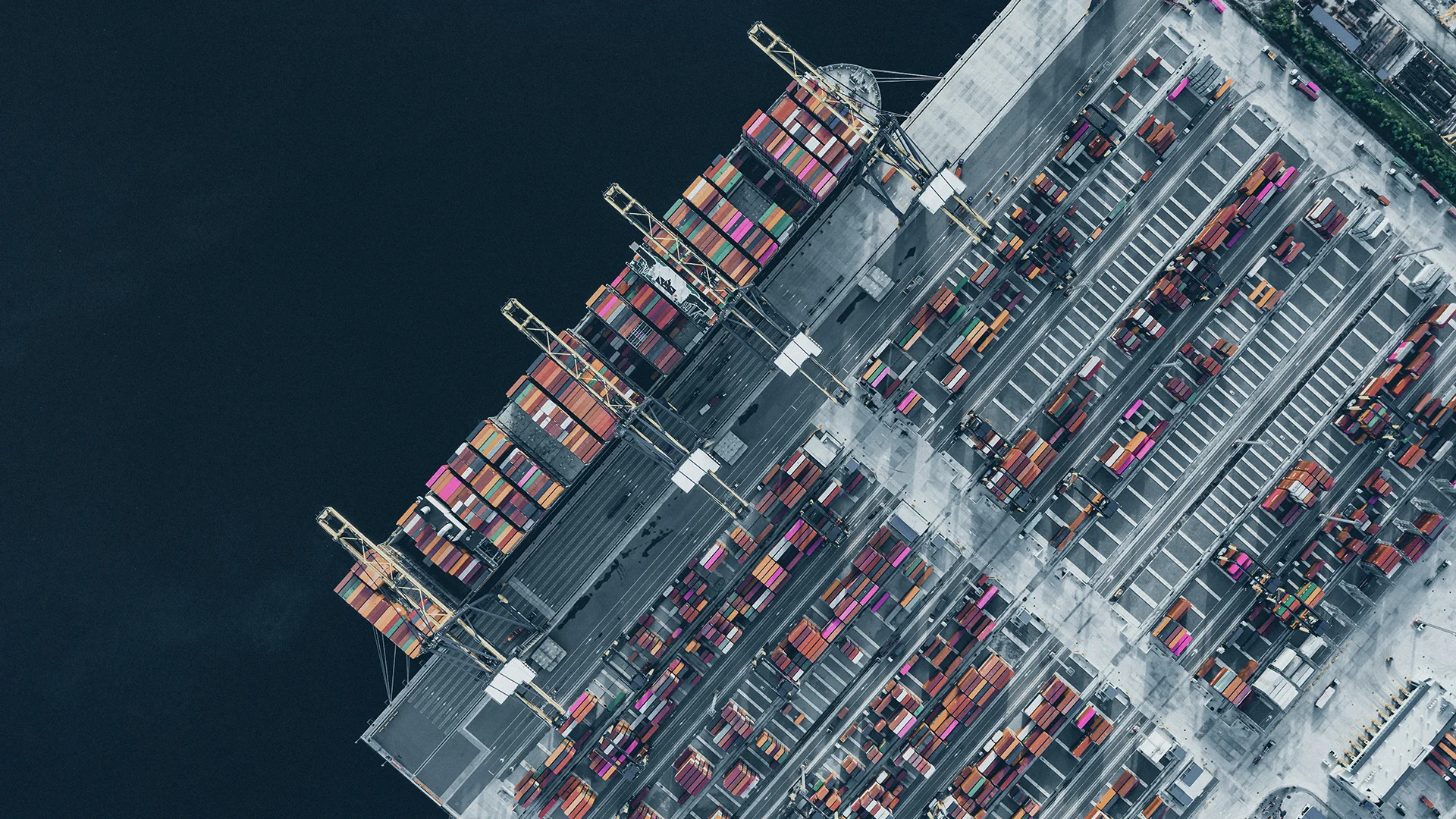
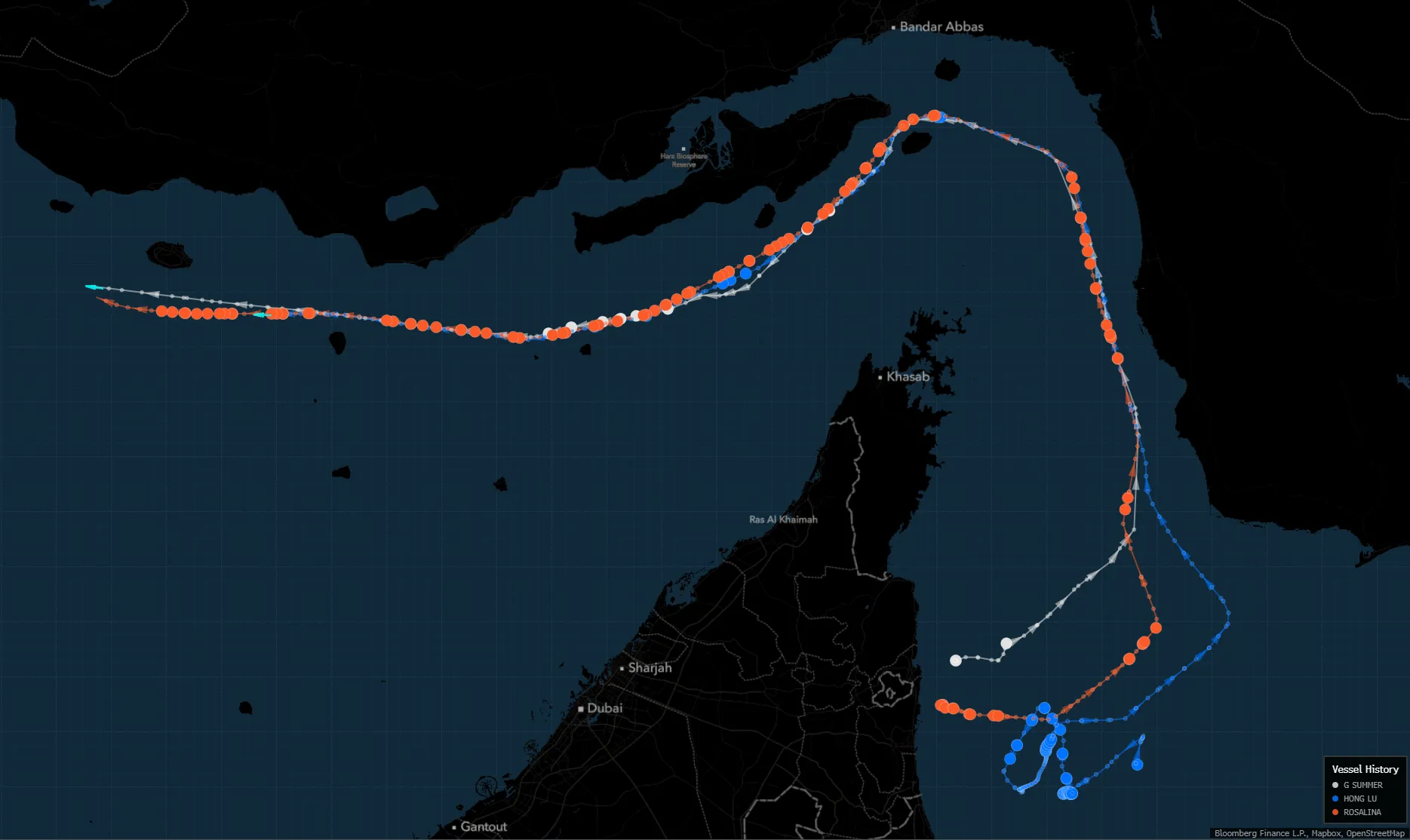
Supply chain fragility. Vessel tracking data from the Gulf tells its own story — ships rerouting around conflict zones, extended transit times, unpredictable port congestion, and insurance premiums that have reached levels not seen in years. What appeared to be a post-pandemic normalisation has given way to a new, structurally more complex operating environment. Companies without diversified logistics partnerships are paying the price in delivery delays, inventory distortions, and customer attrition.
Capital market tightening. The era of cheap, abundant capital is over. Interest rates remain elevated in most major economies. Credit conditions have tightened across commercial banking and private credit markets. Growth-stage companies that relied on consistent access to growth capital are being forced to prioritise profitability over expansion — often before they had planned to. Investors are more selective, due diligence cycles are longer, and the terms on offer are less favourable than they were eighteen months ago.
Currency and commodity volatility. Emerging market currencies have faced significant pressure against a strong dollar environment. For companies operating across multiple geographies — especially those with revenues in local currencies and costs in dollars or euros — the impact on margins has been substantial. Commodity input costs remain elevated and volatile, creating planning difficulties for manufacturers, processors, and distributors across sectors.
Regulatory complexity. The proliferation of new regulatory frameworks — ESG disclosure requirements, AI governance rules, data localisation mandates, digital taxation — is adding compliance burden at exactly the moment when operational bandwidth is already stretched. For multinationals, navigating a world where regulatory requirements diverge significantly by jurisdiction has become a strategic challenge in its own right.
What the best operators are doing differently
Across the OBS Summit community — spanning investors, operators, and advisors in over 80 countries — a set of consistent strategic responses has emerged among the businesses maintaining growth through the current environment.
Radical supply chain diversification. Companies that had consolidated supply chains for efficiency are rebuilding them for resilience. This means dual-sourcing across geographies, building strategic inventory buffers, and investing in supplier relationships in politically stable corridors. The Gulf, Southeast Asia, and East Africa have all seen significant new supplier development investment from companies reducing their dependence on single-origin sourcing.
Deepening local market presence. Rather than managing markets from a distance, the most successful operators are building genuine local capability — local leadership, local banking relationships, local regulatory expertise, and local stakeholder networks. This is more expensive in the short term but dramatically reduces vulnerability to external shocks.
Treasury and FX sophistication. Businesses that previously treated treasury as a back-office function are rapidly professionalising it. Active FX hedging, multi-currency cash management, and strategic deployment of liquid reserves have become core competencies for any business with meaningful cross-border exposure.
Selective, high-conviction investment. In a tighter capital environment, capital allocation discipline matters more than ever. The operators growing through the current environment are not cutting investment — they are concentrating it in the areas of highest conviction and highest return. Everything non-core is being evaluated for divestiture, rationalisation, or pause.
Relationship capital as competitive advantage. In an environment where trust is scarce and counterparty risk is real, relationships built over years are proving their value. Access to a banker who will pick up the phone, a government contact who can facilitate a regulatory conversation, or a logistics partner who will prioritise your cargo — these are not soft advantages. They are hard, quantifiable competitive edges.
Where OBS Summit fits
OBS Summit was designed precisely for moments like this one. Not as a forum for observation — there are enough conferences that tell you what the problems are — but as a working environment for finding solutions, partners, and capital at scale.
The 100-day format, across seven global hubs, creates something that a three-day conference cannot: enough time and proximity for real relationships to develop, real deals to close, and real strategic thinking to happen. The businesses that will look back on 2026 as a year they accelerated through — rather than survived — are the ones building the relationships and partnerships now that will compound in value over the next five years.
The challenges of 2026 are real. But they are being navigated, by operators who are thinking clearly, moving decisively, and choosing the right rooms to be in.
OBS Summit runs 15 October 2026 – 22 January 2027. Registration is open.