



Asia Pacific is not a single market. It is a constellation of economies at different stages of development, operating under different regulatory frameworks, driven by different consumer dynamics, and connected by trade flows that are reshaping the global economic order. To engage it meaningfully — not as a tourist, but as a participant — requires presence, relationships, and the kind of credibility that only comes from showing up at scale.
That is precisely what OBS Summit is designed to do.
Why Asia Pacific, why now
The economic centre of gravity of the world has been moving east for two decades. But 2026 marks something qualitatively different. The post-pandemic rebalancing of supply chains, the acceleration of intra-Asian trade under RCEP, the emergence of India as a major consumption market, and the ongoing reconfiguration of China's role in global commerce have created a moment of genuine structural flux — one in which the relationships formed and the capital allocated in the next three to five years will define the competitive landscape for a generation.
For businesses and investors based in the Gulf, Europe, and the Americas, Asia Pacific has historically been a destination for exports and a source of manufactured goods. That framing is obsolete. The region is now home to some of the world's most sophisticated capital allocators, fastest-growing consumer classes, and most dynamic technology ecosystems. Engaging it as an equal partner — not a client — requires a different kind of conversation. OBS Summit is designed to facilitate exactly that.
Singapore: the gateway session
OBS Summit's Asia Pacific engagement centres on its Singapore session — one of seven global cities in the 2026–2027 programme alongside Dubai, London, New York, Riyadh, Mumbai, and Nairobi. Singapore was not a default choice. It was a deliberate selection based on its unique position as the region's premier hub for finance, trade facilitation, professional services, and multi-jurisdictional corporate structuring. (For the structural contrast with traditional Davos-style gatherings, see how OBS Summit differs from the World Economic Forum.)
More than 60% of the world's top 100 MNCs have their Asia Pacific regional headquarters in Singapore. Its legal and regulatory environment is consistently ranked among the world's most business-friendly. Its financial sector manages over USD 4 trillion in assets under management. And its cultural position — as a genuinely multicultural city-state at the intersection of Chinese, Indian, Malay, and Western business cultures — makes it uniquely suited as a convening point for cross-regional dialogue.
The Singapore session will bring together delegates from across the ASEAN region, as well as from Japan, South Korea, Australia, and India. For many of these participants, the OBS Summit Singapore event will be their first direct engagement with the Gulf's business ecosystem at a peer-to-peer level — not through intermediaries, but in the room.
The sectors where impact will be felt first
OBS Summit's Asia Pacific programme is structured around the sectors where Gulf-Asia connectivity is already deep and where the next phase of expansion is most visible:
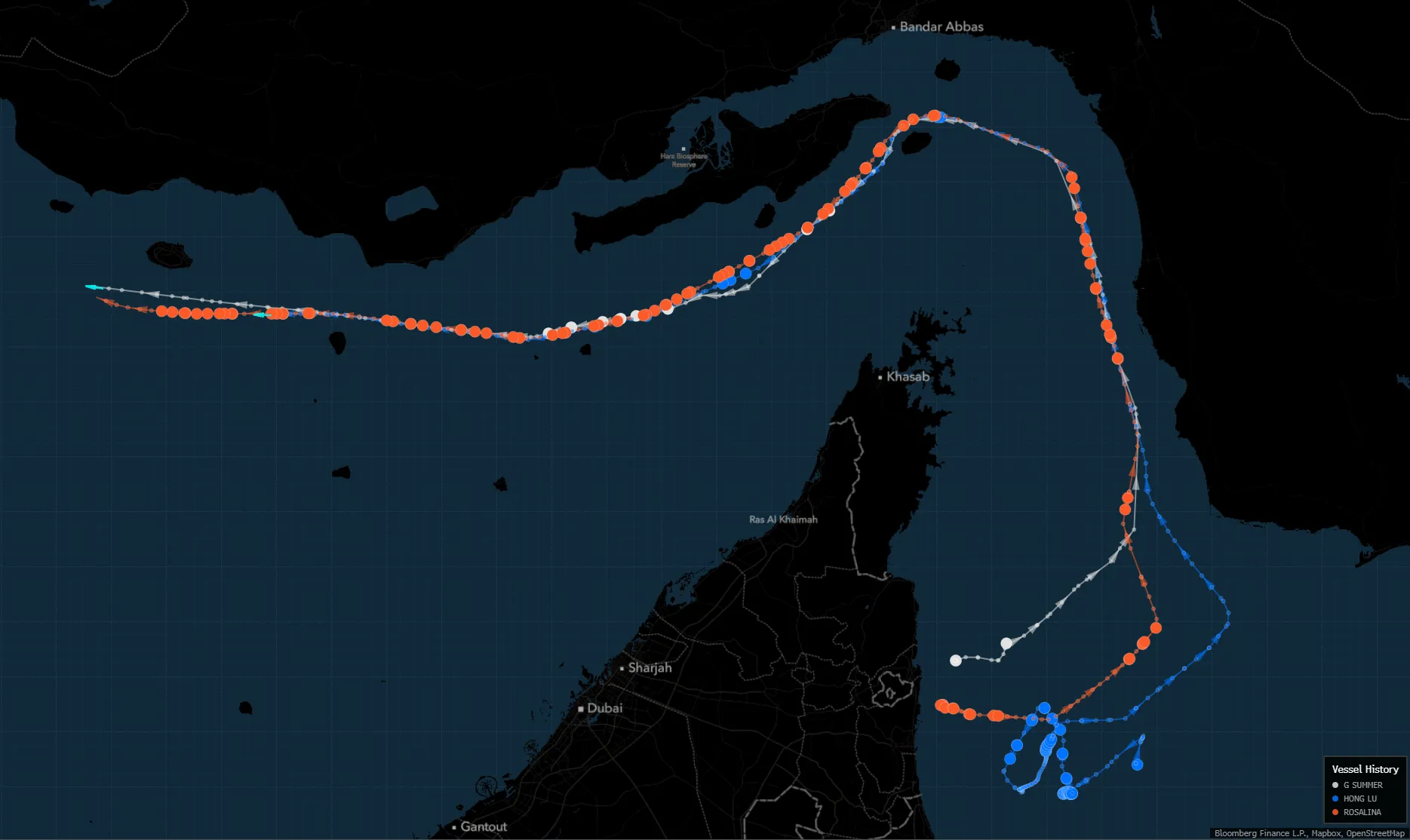
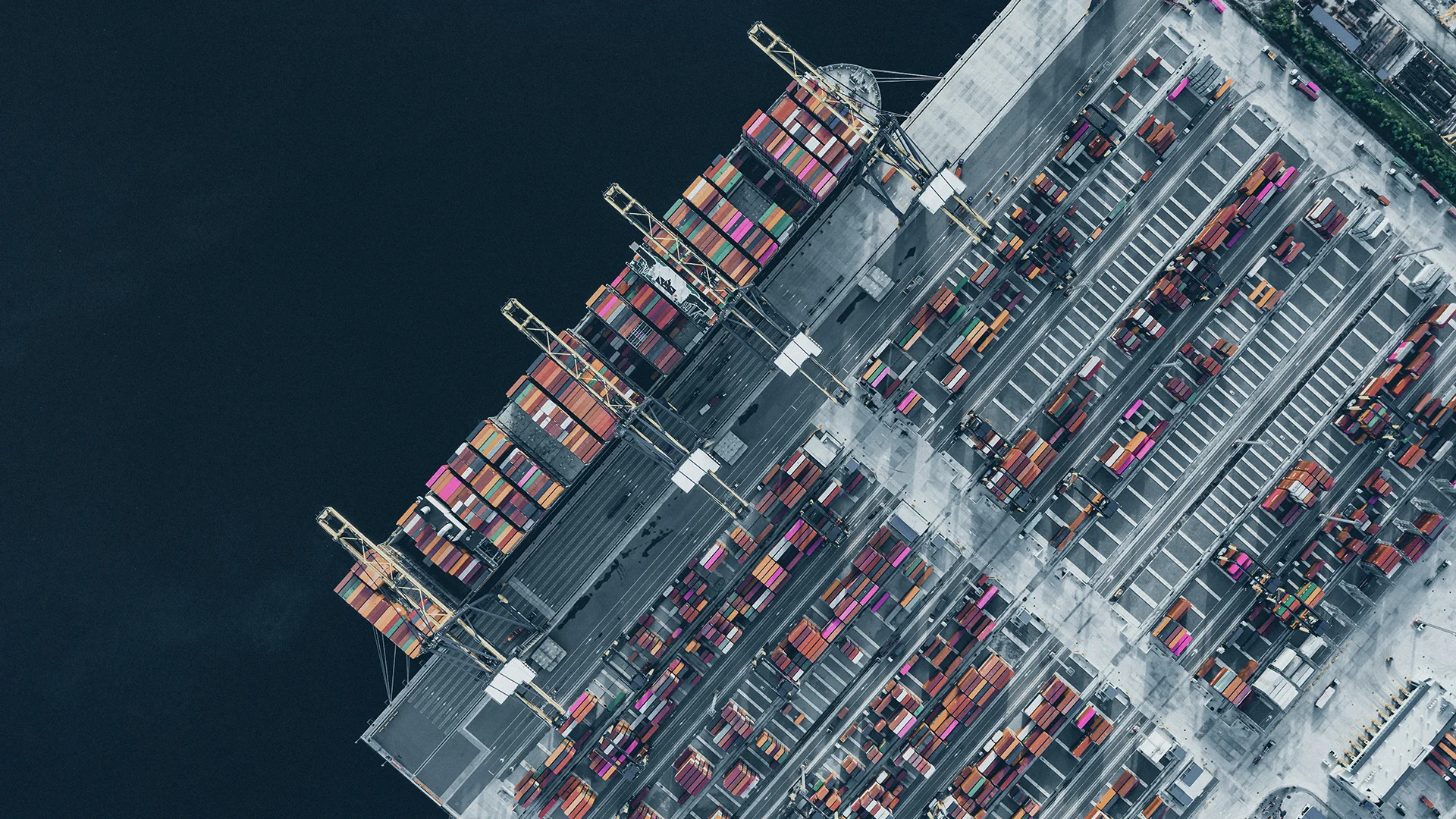
Trade finance and supply chain corridors. The Gulf sits at the intersection of the world's major East-West shipping lanes. As Asian manufacturers and exporters diversify away from single-corridor dependency, Gulf-based logistics hubs, free zones, and trade finance platforms represent a natural expansion point. OBS Summit is bringing together the decision-makers on both sides of this corridor — buyers, sellers, financiers, and operators — to accelerate deal flow that would otherwise take years of bilateral negotiation.
Technology and digital infrastructure. Southeast Asia's digital economy is projected to reach USD 1 trillion by 2030. The region's fintech, e-commerce, logistics technology, and SaaS sectors are among the world's fastest-growing. Gulf sovereign wealth funds and family offices have been increasing exposure to Asian tech — but direct founder-to-investor relationships remain underdeveloped relative to the size of the opportunity. OBS Summit creates the conditions for those relationships to form in a structured, high-trust environment.
Real estate and infrastructure. Japan, South Korea, Singapore, and Australia remain among the world's most liquid and stable real estate markets. Gulf institutional capital — historically concentrated in Western markets — is actively seeking diversification into Asia Pacific real assets. At the same time, infrastructure development across Southeast Asia, South Asia, and the Pacific Islands requires the kind of patient, large-scale capital that Gulf sovereign funds are structured to provide. OBS Summit's investor programming explicitly targets this intersection.
Food security and agri-commodities. The Gulf imports over 85% of its food. Australia, New Zealand, and Southeast Asia are among the world's most significant food exporters. Creating direct institutional relationships between Gulf food security programmes and Asia Pacific producers — bypassing the commodity trading intermediaries that currently extract significant margin from these flows — is one of the most concrete economic opportunities the summit is positioned to facilitate.
The delegate profile: who is coming from the region
OBS Summit's Asia Pacific delegate profile reflects the diversity of the region itself. Confirmed and expected participants for the 2026–2027 cycle include:
From Japan: senior representatives from major trading houses (sogo shosha), institutional investors managing pension and insurance capital, and a cohort of technology founders building cross-border platforms. Japan's businesses bring deep operational expertise and long-term capital orientation — a profile that complements the Gulf's ambitions well.
From South Korea: executives from the conglomerate sector (chaebol and their subsidiaries), mid-market industrials seeking international expansion, and a growing cohort of K-entertainment and lifestyle brands exploring Middle East market entry following the broader global spread of Korean cultural exports.
From Southeast Asia: founders and investors from Indonesia, Vietnam, Thailand, Malaysia, and the Philippines — some of the world's fastest-growing startup ecosystems — alongside family office principals and regional bank executives seeking to deepen Gulf correspondent relationships.
From India: given OBS Summit's Mumbai session, Indian delegates will be among the largest national cohorts. The Gulf-India corridor is already one of the world's busiest in terms of remittances, trade, and diaspora business networks. OBS Summit will formalise and scale what has historically been an informal but extraordinarily productive relationship.
From Australia and New Zealand: institutional investors, agri-commodity producers, and professional services firms — particularly legal, advisory, and accounting practices with Asia Pacific regional mandates.
What OBS Summit brings that conventional forums do not
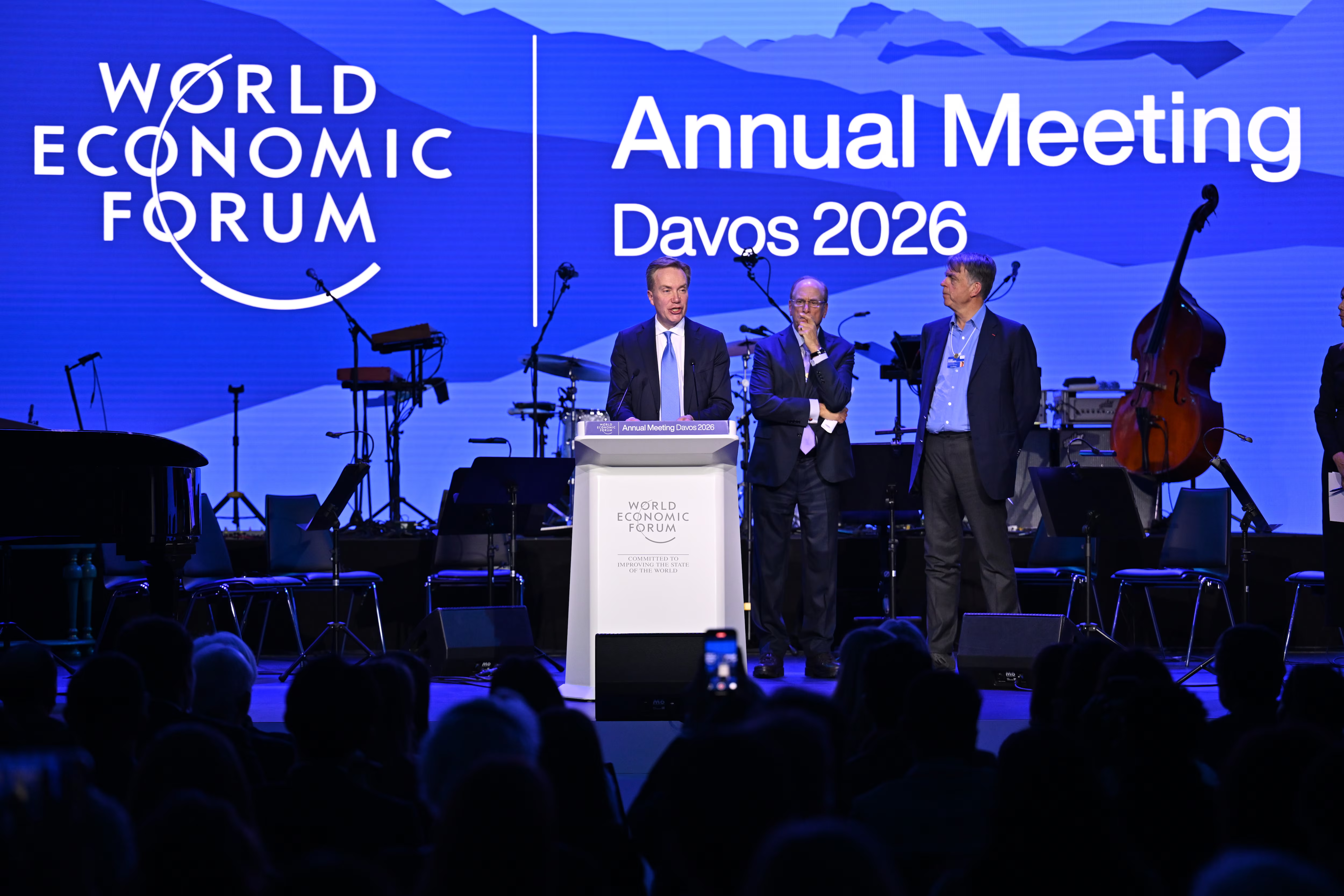
Business events in Asia Pacific are not scarce. The World Economic Forum engages Davos-style leaders. Bloomberg and Reuters run high-profile conferences. National chambers of commerce organise bilateral trade missions. What distinguishes OBS Summit is not the format — it is the integration.
Most events bring people into a room for 48 hours and call it networking. OBS Summit runs for 100 days across seven cities, with a curated delegate community that travels together, participates in a structured marketplace of deals and introductions, and has access to the OBS digital platform for ongoing engagement between sessions. The relationships formed at OBS Summit are not conference contacts — they are the beginning of business partnerships, investment relationships, and institutional collaborations that are designed to persist.
For Asia Pacific participants, this means genuine, sustained access to Gulf capital, Gulf markets, and the global network that OBS has spent years assembling. It means being in the room — not just receiving the recap email — when the decisions are made and the deals are structured.
The longer arc
OBS Summit's 2026–2027 Asia Pacific engagement is a first chapter, not a final destination. The organisation's ambition is to build a permanent infrastructure of relationships between Gulf and Asia Pacific business communities — one that outlasts any single summit cycle and deepens over time.
For the Asia Pacific businesses and investors who engage with OBS Summit this year, the timing is advantageous. Entry into a network is always most valuable when that network is still being built — when the relationships are fresh, the introductions are direct, and the position you establish becomes foundational rather than peripheral.
The Asia Pacific moment in global economics is not coming. It is here. OBS Summit is one of the few platforms designed to meet it at its scale.
OBS Summit runs 15 October 2026 – 22 January 2027. Delegate applications for the Singapore session are open now.