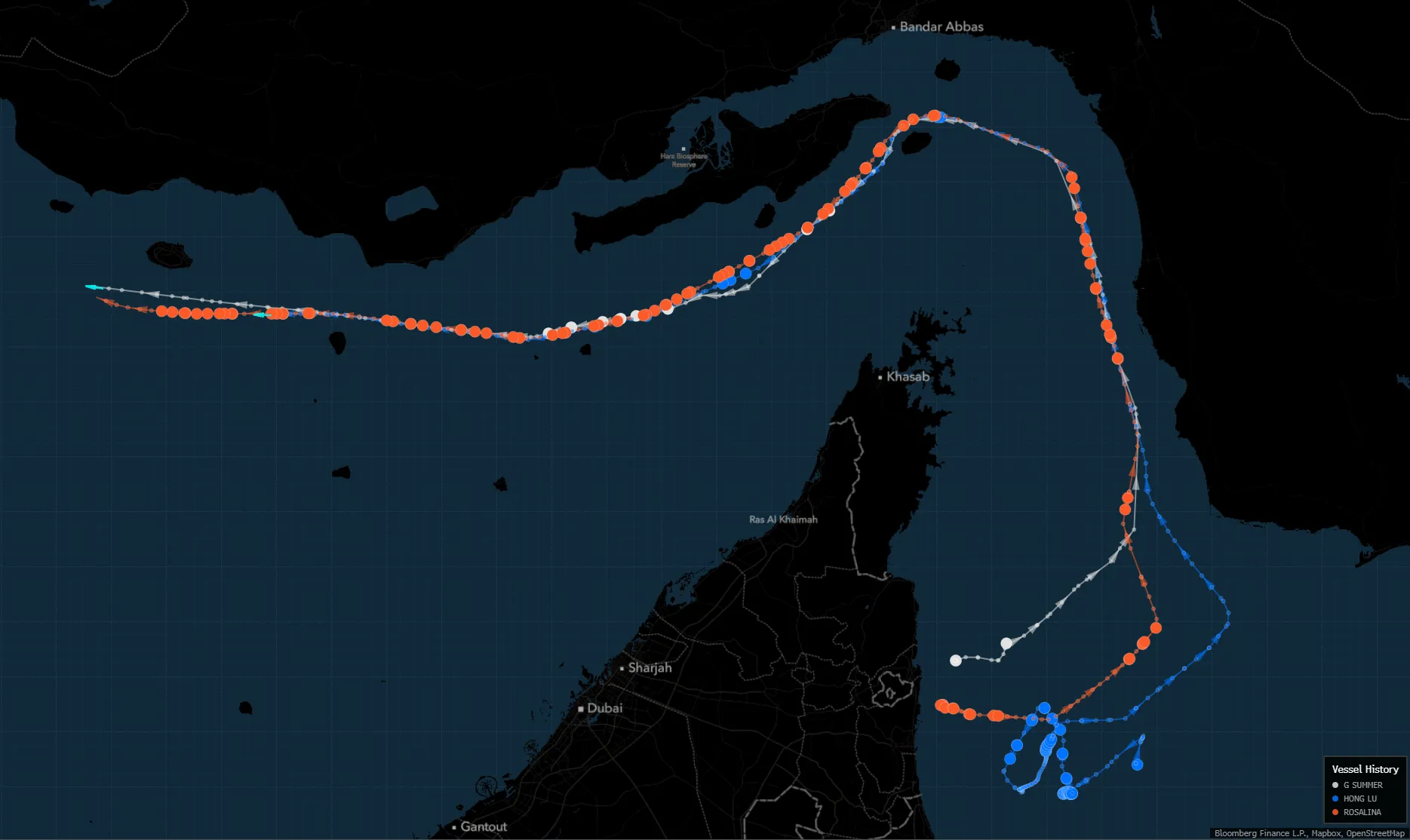



Global trade is under more pressure than it has been in decades — and the pressure compounds with every new disruption to critical chokepoints like the Strait of Hormuz. Supply chains fractured by the pandemic haven't fully healed. Geopolitical realignments are rewriting long-established trade routes. Tariff regimes are in flux. New economic corridors — across the Gulf, Central Asia, and Sub-Saharan Africa — are emerging faster than most businesses can track. And through all of it, the question on every boardroom agenda remains the same: how do you build a resilient, scalable trade operation in a world that keeps changing the rules?
OBS Summit is where that question gets answered — not in theory, but by the people who are actually shaping the answer in real time. (And for the businesses navigating it day to day, the extreme challenges of 2026 demand a different kind of strategic thinking.)
A dedicated global trade agenda
Trade is not a side topic at OBS Summit. It is one of the summit's four primary pillars, alongside investment, technology, and sustainability. Across the 100-day programme — running from 15 October 2026 through 22 January 2027 — dedicated trade weeks in Dubai, Singapore, London, and Nairobi will bring together ministers, regulators, logistics executives, port authorities, multinational procurement leads, and emerging-market trade champions for structured, substantive dialogue.
This isn't a panel discussion about trends. It's a working environment for deals, agreements, and strategic partnerships — with the people who have the authority to make them happen.
The global leaders in the room
OBS Summit's trade programme has confirmed participation from a remarkable cross-section of global influence:
- Trade ministers and commerce secretaries from across the Gulf, Southeast Asia, East Africa, and Europe — representing economies at very different stages of trade liberalisation and reform
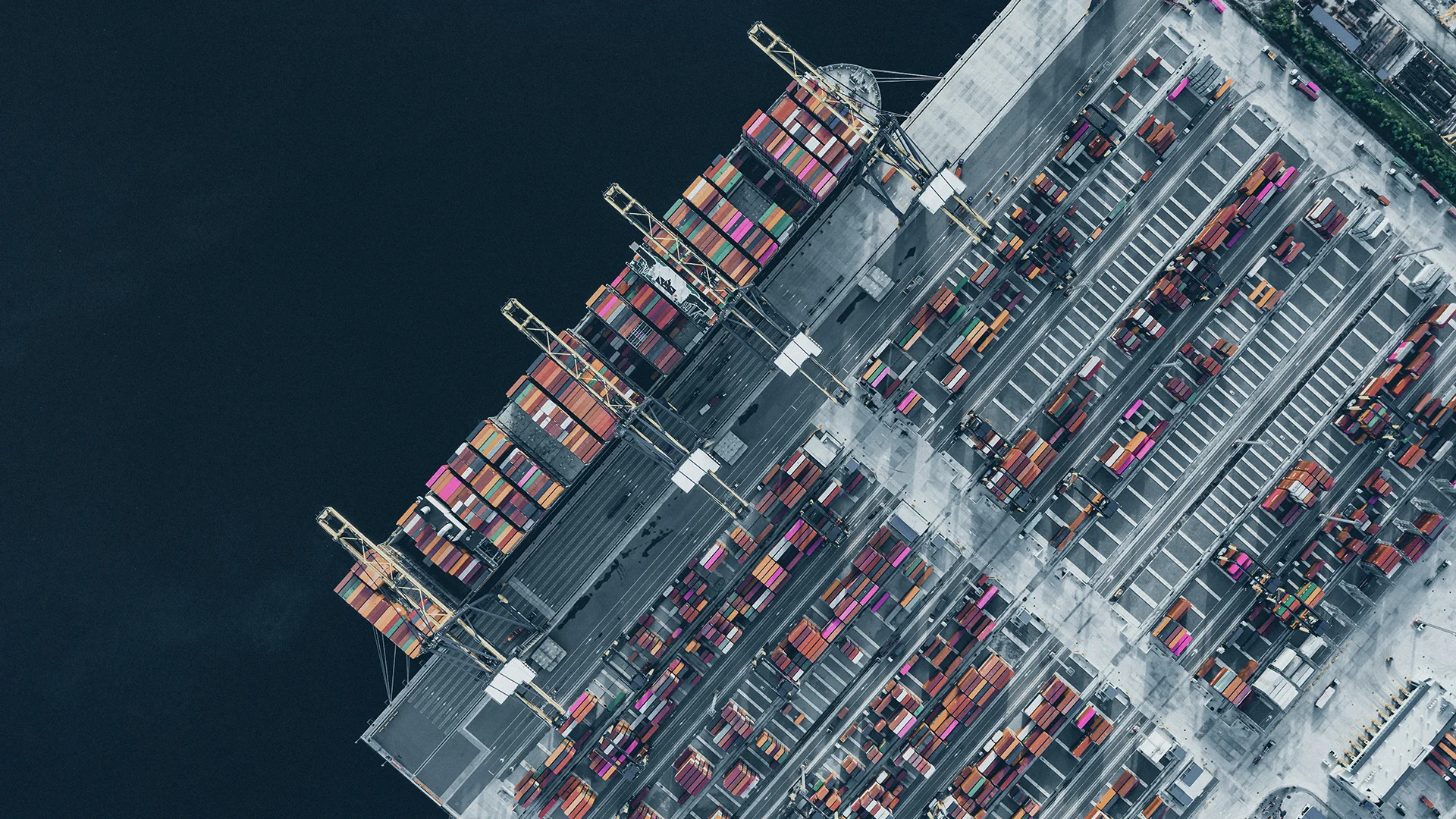
- Port authority directors from some of the world's busiest cargo hubs, including Jebel Ali, Singapore, Rotterdam, and Mombasa
- Heads of export promotion agencies from over 40 countries, actively seeking new bilateral partnerships and distribution channels
- Chief procurement officers from Fortune 500 multinationals with combined annual sourcing budgets in the hundreds of billions
- Free zone executives from the UAE, Saudi Arabia, Kenya, and Malaysia — representing some of the most business-friendly trade environments in the world
- Founders and CEOs of the fastest-growing logistics, freight-tech, and supply chain companies across emerging markets
The corridors redefining commerce
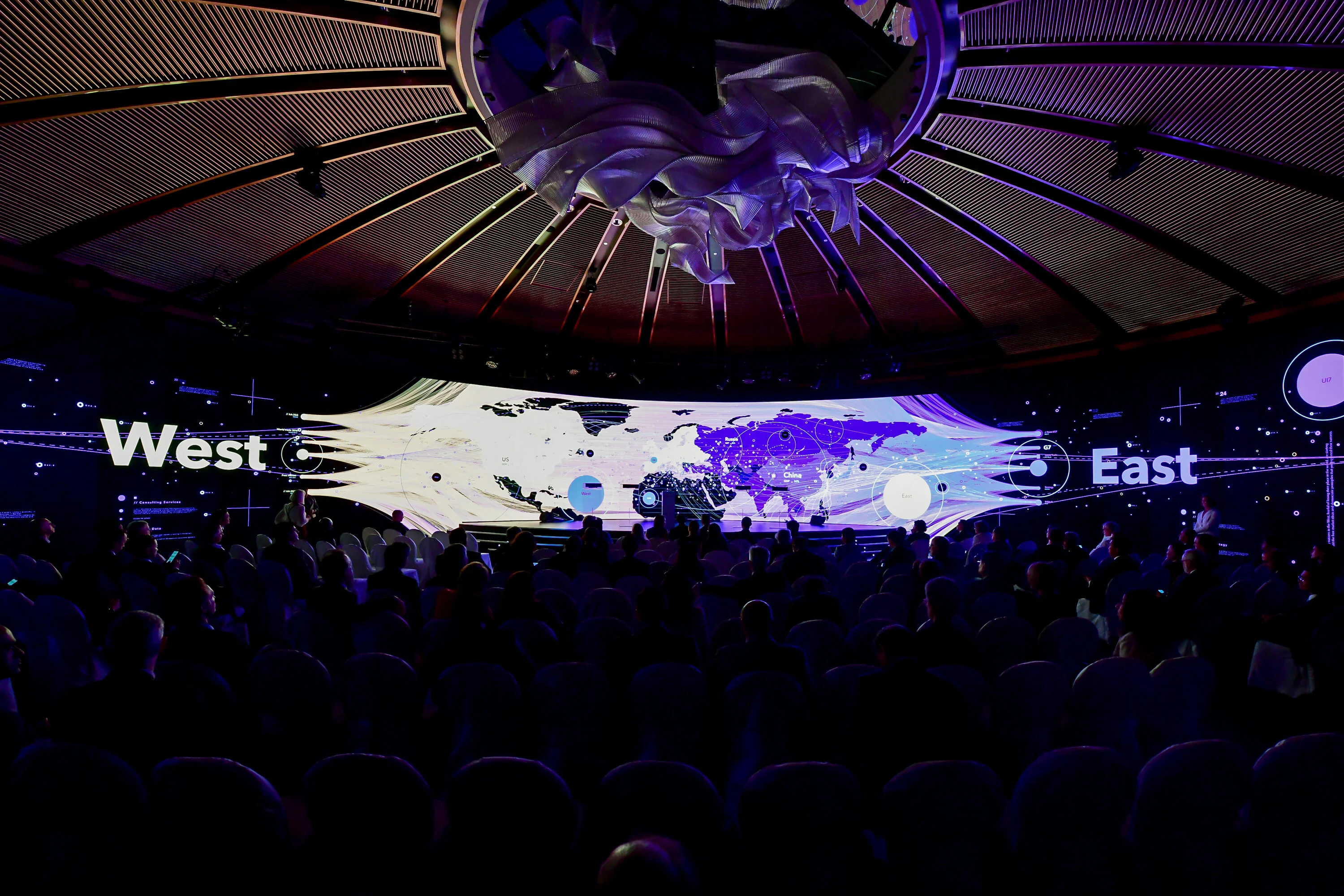
The most important trade conversations of the next decade won't happen along the traditional West-to-East axis. They'll happen along new corridors that are only now coming into focus — and OBS Summit is one of the few platforms with the global footprint to host all of them simultaneously.
The Africa-Gulf corridor is attracting serious capital. With African free trade agreements expanding intra-continental commerce and Gulf sovereign funds actively seeking African infrastructure exposure, the deal flow between these two regions is accelerating rapidly. OBS Summit's Dubai and Nairobi hubs sit at either end of this corridor and will host dedicated programming to facilitate cross-corridor partnerships.
The South-South trade renaissance — trade between emerging markets, bypassing traditional Western intermediaries — is growing at twice the rate of North-South trade. OBS Summit's presence in Mumbai, Nairobi, and Riyadh creates a natural infrastructure for facilitating these connections.
The digital trade frontier — cross-border e-commerce, digital services trade, and data localisation agreements — is the fastest-moving area of global trade policy. A dedicated digital trade track will address the regulatory, logistical, and financial infrastructure needed to move this category from promise to scale.
Structured deal-making, not just dialogue
OBS Summit's trade programme is structured around outcomes, not just conversations. The format includes:
- Hosted bilateral meetings between pre-matched trade delegations, facilitated by the summit's AI-powered matchmaking platform
- Live trade agreement signings on the main stage — a first for a business summit of this scale
- Export showcase floors in each host city, giving companies a physical platform to present products and services to qualified buyers
- Trade finance roundtables bringing together development finance institutions, commercial banks, and exporters to close the persistent trade finance gap in emerging markets
- Logistics and supply chain war rooms — closed working sessions where companies can map supply chain vulnerabilities and identify alternative sourcing partners in real time
Why Dubai, and why now
The choice of Dubai as OBS Summit's flagship hub is not incidental. The UAE has positioned itself as one of the most strategically located and commercially open trade environments in the world. Jebel Ali is the largest port in the Middle East and one of the top ten globally. Dubai's free zones collectively host over 120,000 registered companies. The UAE has signed comprehensive economic partnership agreements with India, Indonesia, Turkey, Israel, and a growing list of African nations — making it a genuine neutral ground for trade conversations that span every major economic bloc.
And the timing is deliberate. The years 2026 and 2027 will likely see the most significant reshaping of global trade architecture since the founding of the WTO. OBS Summit is positioning itself as the forum where the private sector response to that reshaping gets organised.
The bottom line
Global trade is not going to simplify. The complexity — geopolitical, logistical, regulatory, technological — is structural. What changes is how well-equipped businesses are to navigate it. OBS Summit is building the most comprehensive trade-focused gathering in the world not because the problem is easy, but because the problem is urgent.
If your business touches global supply chains, cross-border distribution, export markets, or trade finance, OBS Summit is not optional reading. It is the room where the next chapter gets written.
Registration is open now. The summit runs 15 October 2026 – 22 January 2027 across Dubai, London, Singapore, New York, Riyadh, Mumbai, and Nairobi.